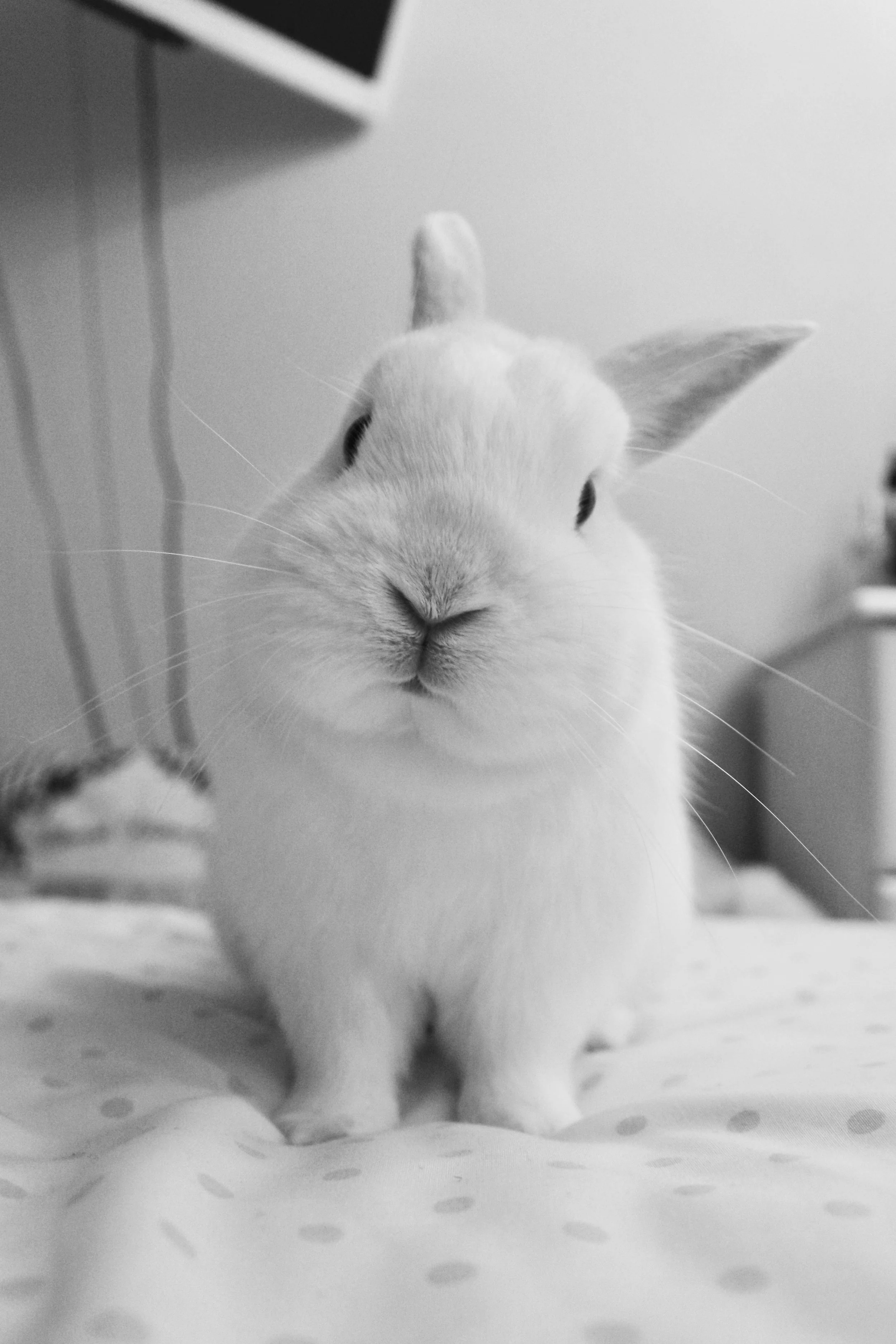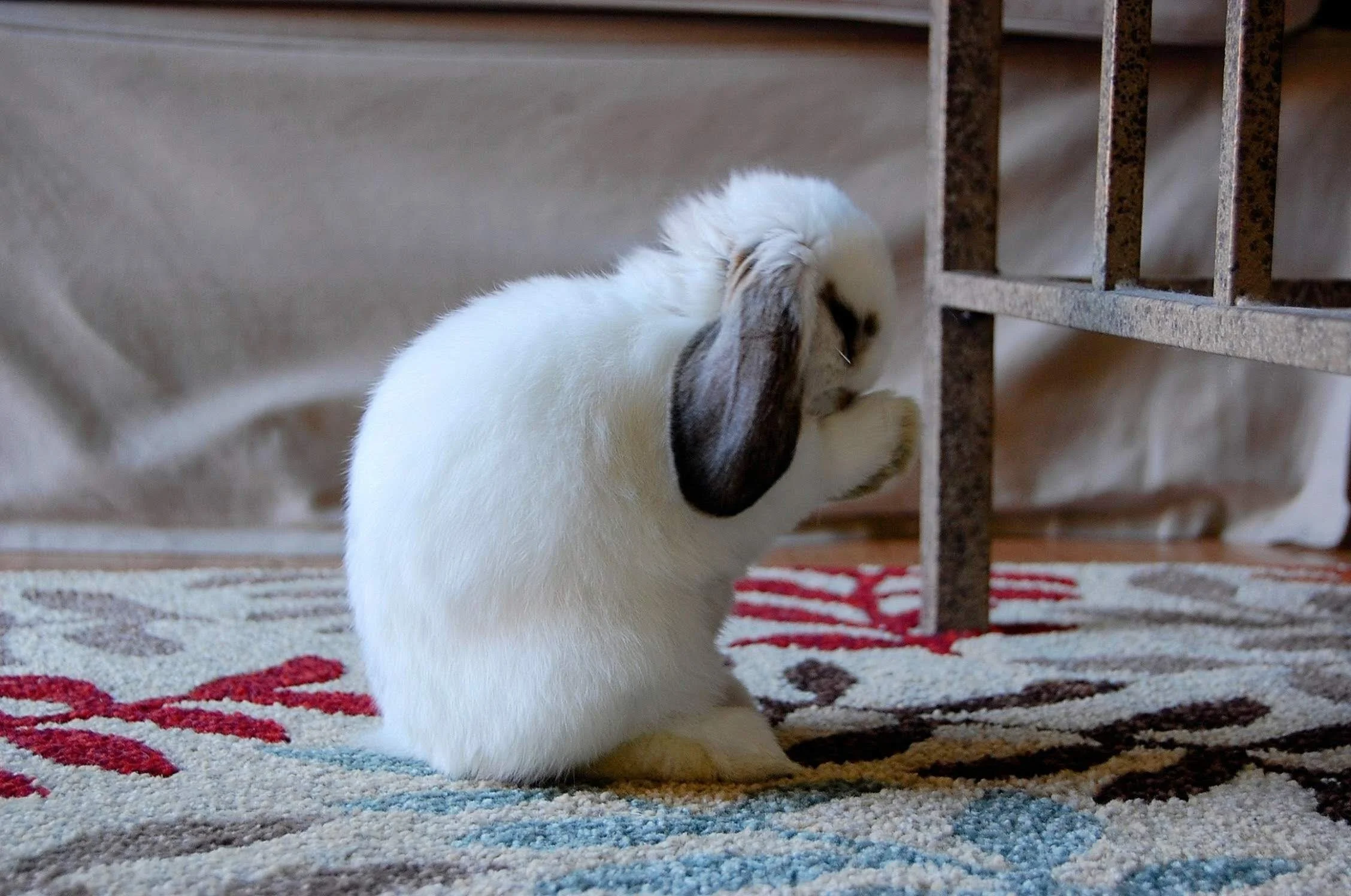
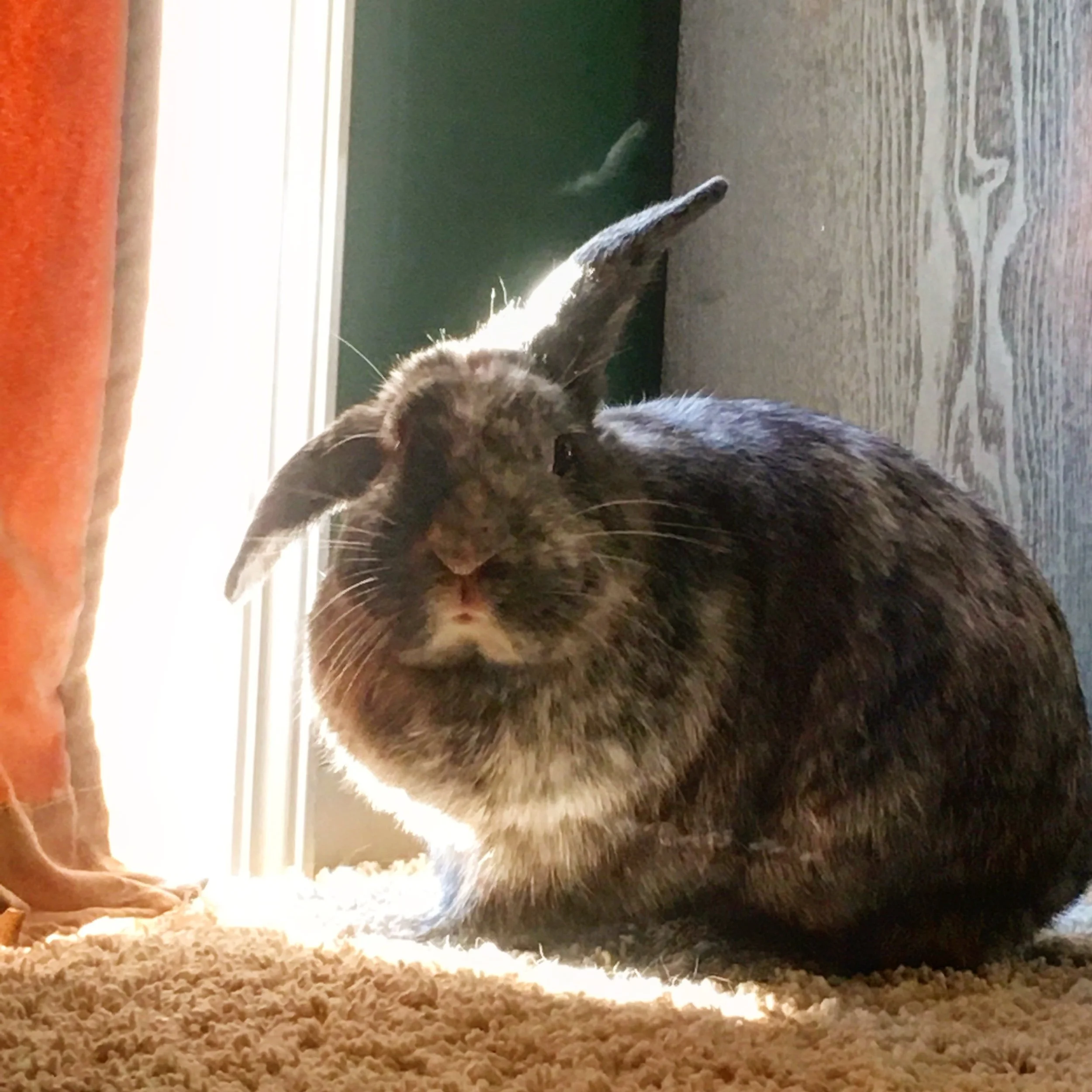
Submitted by Sara, an independent researcher, in memory of Magnolia and in the hope of helping other rabbit owners avoid potentially serious medication-related complications.
Last weekend, my beloved Magnolia, a beautiful and healthy five-year-old Lionhead Angora rabbit, was taken to the veterinarian for what should have been a simple routine checkup. Like many rabbits, she was nervous during the visit. Toward the end of the appointment, the clinic administered gabapentin to help her calm down for the ride home.
Within hours, Magnolia began showing alarming neurological and physical symptoms. By the following evening, she had passed away.
This account is shared not as a definitive medical conclusion, but as a serious adverse event temporally associated with gabapentin administration. Magnolia’s case raises important questions about how gabapentin is used in rabbits, especially for short-term stress during routine veterinary visits, and highlights the need for conservative dosing, careful monitoring, and greater awareness of possible adverse reactions.
Background
Gabapentin is increasingly used in veterinary medicine for pain management, anxiety reduction, and as an adjunct in certain anesthetic protocols. Recent research has explored its use in rabbits, including a JAVMA study in which eight New Zealand white rabbits received a single oral 25 mg/kg dose and were assessed for behavior changes two hours later. That study reported reduced vigilance and increased play behavior without observable sedation.
Another recent study in BMC Veterinary Research evaluated a single 25 mg/kg oral dose of gabapentin as a pre-anesthetic adjunct in twenty healthy adult male New Zealand rabbits. The authors noted that the study was limited by its small sample size and that the findings should be interpreted cautiously regarding long-term analgesic efficacy.
While these studies may suggest promise for gabapentin in controlled settings, Magnolia’s case illustrates why individual variation, breed differences, clinical stress, transport, and real-world conditions deserve serious consideration. Laboratory findings may not always predict how a companion rabbit will respond after a stressful veterinary visit.
Magnolia’s Case
Magnolia was a healthy female domestic rabbit weighing approximately 3.7 pounds, or 1.66 kg. She had no known history of illness or similar symptoms. During the veterinary visit, she was assessed as healthy.
At the end of the appointment, she was reportedly given 0.45 mL of gabapentin at a concentration of 50 mg/mL. This equals 22.5 mg total, or approximately 13.5 mg/kg for her body weight. I was told the medication would help her calm down and relax for the ride home. No immediate adverse effects were observed at the clinic, and we left shortly afterward.
After returning home, Magnolia initially seemed slightly “off,” but she was still eating and moving normally. Approximately three hours after administration, however, her condition changed rapidly.
She developed severe symptoms, including:
intense neurological tremors, shivering, and shaking
loss of bladder control
marked weakness
loss of appetite
disorientation and altered behavior
loss of coordination and ataxia
impaired mobility
a dramatic change in personality and normal free-roam behavior
Although she remained responsive to stimuli, she appeared profoundly disoriented. She avoided her usual favorite areas, abandoned her normal movement patterns, and seemed unable to navigate her environment normally.
Her condition persisted overnight. As the medication’s effects appeared to intensify, she stopped eating and would not approach her usual feeding area, even when offered her favorite foods. The next morning, I was able to get her to eat only by hand-delivering food to her.
By the second evening, her condition had worsened. Her posture and movement resembled signs sometimes seen in rabbits with serious neurological illness. She struggled to move around the room, appeared severely disoriented, lost coordination, collapsed, and died.
Magnolia had been healthy before the appointment. The rapid onset of neurological symptoms following gabapentin administration does not prove causation on its own, but the timing and severity of her decline warrant serious attention.
Why This Case Raises Concern
Several aspects of Magnolia’s case deserve further discussion.
First, gabapentin was administered for situational nervousness during a routine veterinary visit. Rabbits are prey animals and are often highly stressed by transport, handling, unfamiliar smells, and restraint. In some cases, medication may be appropriate, but routine stress should first be approached with low-stress handling, environmental modification, and other non-pharmacological methods whenever possible.
Second, the timing of administration is important. If a medication is given at the end of a visit, its calming effects may not meaningfully help during the appointment itself. Instead, the rabbit may appear stable at first, only for the effects to become more pronounced later at home, when the owner may not know what to watch for.
Third, dosing should be discussed carefully. Doses should always be evaluated in mg/kg, not simply in mL, because mL amounts depend entirely on the concentration of the medication. A seemingly small volume can still represent a significant dose depending on the formulation.
Fourth, Magnolia’s symptoms were much more severe than mild sedation. Reports of gabapentin side effects in rabbits have included appetite loss, drowsiness, weakness, ataxia, reluctance or inability to move, and urinary changes. A 2016 MediRabbit report described multiple rabbit-owner observations of serious side effects in arthritic rabbits receiving gabapentin, including weakness, ataxia, reduced movement, appetite changes, and urinary retention.
These signs are consistent with central nervous system effects and should not be dismissed as ordinary sleepiness.
Real-World Observations Matter
Controlled studies are valuable, but they often involve small numbers of healthy laboratory rabbits under carefully managed conditions. Companion rabbits may differ in age, breed, health history, stress level, environment, and sensitivity to medication.
Magnolia was not a laboratory rabbit in a controlled behavioral study. She was a companion rabbit experiencing the combined stress of transport, veterinary handling, medication, and return to a home environment. That distinction matters.
Real-world owner observations suggest that some rabbits may experience pronounced sedation, ataxia, reduced appetite, weakness, or prolonged neurological effects after gabapentin. Severe or fatal outcomes may be rare, but rarity does not mean impossibility. It may also mean that adverse reactions are underrecognized or underreported.
Practical Considerations for Veterinarians and Rabbit Owners
Magnolia’s case supports a more cautious approach to gabapentin use in rabbits, especially when the intended purpose is routine calming rather than treatment of significant pain or a clearly defined medical need.
Veterinarians should carefully consider whether medication is necessary for mild, situational stress. When gabapentin is considered appropriate, owners should be told what dose is being given in mg/kg, when effects may appear, how long monitoring should continue, and what warning signs require urgent care.
Owners should watch closely for:
unusual weakness
tremors or shaking
stumbling, ataxia, or loss of coordination
loss of appetite
urinary accidents or loss of bladder control
extreme sedation or “zombie-like” behavior
disorientation or sudden personality change
reluctance or inability to move
Any rabbit showing these symptoms after medication should be treated as urgent and evaluated by a rabbit-savvy veterinarian or emergency clinic.
Non-pharmacological stress-reduction methods should also be prioritized when possible. These may include calm handling, allowing the owner to help comfort the rabbit, using towels for secure but gentle restraint, minimizing loud noises, reducing time in the clinic, and considering home visits when available.
A Call for Caution and Further Study
Gabapentin may be helpful for some rabbits in some circumstances. This article is not meant to claim that every rabbit will react poorly, nor that gabapentin has no appropriate veterinary use. However, Magnolia’s death shows why “generally safe” should never be confused with “safe for every rabbit.”
Rabbit medicine remains underdeveloped compared with medicine for dogs and cats. Adverse drug reactions in rabbits may be difficult to recognize, difficult to report, and easily mistaken for other illnesses. More research is needed on gabapentin dosing, breed and individual sensitivity, delayed adverse effects, and monitoring protocols in companion rabbits.
Until more is known, gabapentin should be used thoughtfully, conservatively, and with clear owner education.
Magnolia’s case highlights a severe adverse outcome temporally associated with gabapentin administration after a routine veterinary visit. Even if such events are uncommon, their potential seriousness warrants greater awareness, careful dosing, close monitoring, and further investigation.
In Memory of Magnolia
This article is dedicated to my sweet, beautiful Magnolia. I am so sorry.
By sharing Magnolia’s story, I hope we can help spare other rabbits from a similar fate and encourage both veterinarians and rabbit owners to take a more cautious, conservative approach to medication use.

Rest in peace my beautiful Magnolia.